

When your heater suddenly goes cold, you might feel a chill of panic, but tackling the issue step-by-step can often lead to a simple solution. Start by checking if the thermostat is set correctly; it’s surprisingly common to be accidentally shifted or programmed incorrectly. Then, verify the power supply is intact by inspecting circuit breakers and fuses. If everything seems in order, yet the heater remains silent, more might be at play. Could it be a clogged air filter or a malfunctioning blower motor? Uncovering these possibilities might just lead you to the warmth you crave.
Check the Thermostat
Begin by verifying that the thermostat is set to the desired temperature and mode, ensuring it’s not accidentally on a setting such as ‘cool’ or ‘off.’ This is a common oversight that can easily disrupt heating. Check if the thermostat is set to ‘heat’ and above room temperature. Adjust it accordingly if necessary. Look for error messages or blinking lights that might indicate a malfunction or require resetting the device.
Next, examine the thermostat’s batteries. If your thermostat operates on battery power, depleted batteries can cause it to malfunction. Replace the batteries with fresh ones, ensuring the correct polarity is observed. Note any low battery indicators on the display, as this might be a clue to the problem.
Additionally, make sure that the thermostat is securely mounted to the wall. A loose connection can lead to accurate readings and improper functioning. Check that all wires are properly connected to their corresponding terminals. If you’re unfamiliar with handling wiring, consulting your thermostat manual or seeking professional assistance might be prudent. By ensuring the thermostat is correctly set and functional, you’ll take the first step toward resolving heating issues, ultimately aiding others in your household.
Inspect Power Supply
After verifying the thermostat is functioning correctly, check that the heater’s power supply is intact by examining circuit breakers and fuses and confirming all switches are in the ‘on’ position. Start at the main electrical panel to locate the circuit breaker dedicated to the heater. If it’s tripped, reset it by switching it off and back on. Confirm the breaker is fully engaged, as partial resets may fail to restore power.
Next, inspect any fuses associated with the heater. If a fuse appears blown—evident by a broken filament or discolored glass—replace it with an identical type and rating. Always have spare fuses on hand to facilitate quick replacements.
Additionally, check that all power switches connected to the heater are toggled to ‘on.’ Some units feature a dedicated power switch near the unit or an emergency shut-off switch. These switches may inadvertently be turned off during cleaning or maintenance.
Examine the Air Filter
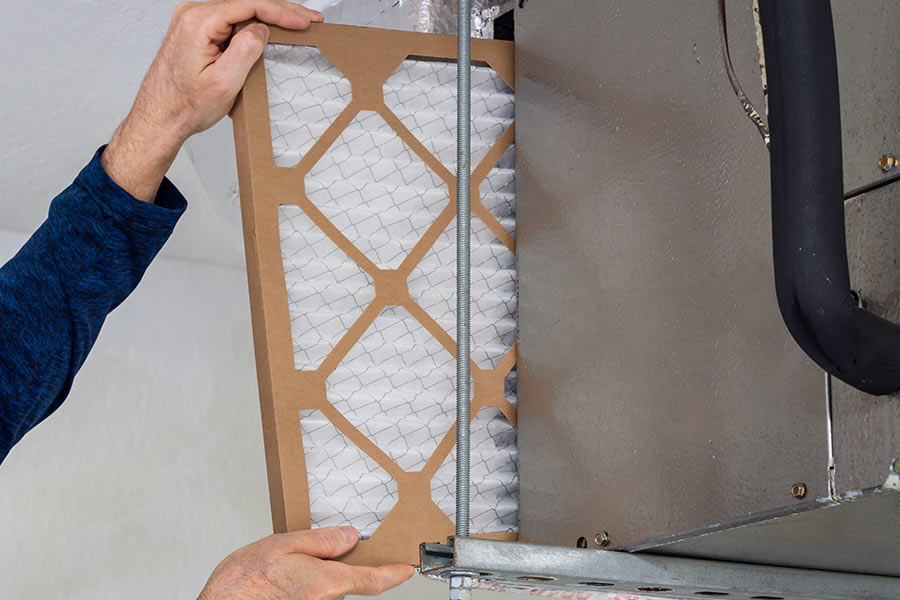
Check the air filter for dirt and debris buildup, as a clogged filter can restrict airflow and cause the heater to malfunction. Regularly maintaining the air filter is essential for ideal heater performance and longevity. Here’s how you can effectively examine and address any issues with your air filter:
- Turn off the heater: Before you start, verify the heater is completely turned off to avoid any safety hazards or damage.
- Locate the air filter: Refer to your heater’s manual to find the exact location of the air filter. It’s typically behind a front panel or near the intake duct.
- Assess the filter condition: Look for visible dust, dirt, or debris signs. If the filter appears clogged or dirty, it’s time for a replacement or cleaning.
- Choose the right replacement: If you need a new filter, confirm it matches the specifications outlined in your heater’s manual for proper fit and function.
- Install the filter correctly: When placing the new or cleaned filter, ensure it’s oriented correctly, usually indicated by arrows on the filter frame.
Test the Pilot Light
Regularly verify the pilot light is lit, as its presence is vital for your heater’s ignition system to function properly. Begin by turning off the heater and waiting for it to cool. Once it’s safe, locate the pilot light assembly, typically at the bottom of the heater. You’ll usually see a small valve with a knob labeled ‘On,’ ‘Off,’ and ‘Pilot.’
Turn the valve to the ‘Off’ position and wait five minutes to let any residual gas dissipate. This guarantees safety before relighting. Once ready, turn the knob to ‘Pilot.’ While holding down the reset button, use a long lighter to ignite the pilot. Hold the button for about 30 seconds to ensure the flame remains steady. Release the button gently; the pilot should stay lit.
If the pilot light goes out, it may indicate issues like a clogged orifice or thermocouple malfunction. Clean any visible debris from the assembly and try again. If it still doesn’t ignite or stay lit, consult a professional for a thorough inspection. Ensuring the pilot light functions effectively is essential for providing warmth and comfort to those you care for.
Look at the Circuit Breaker
Inspecting the circuit breaker is crucial, as an unexpected trip could cut power to your heater and halt its operation. Start by locating your electrical panel, typically found in the basement, garage, or utility room. Look for any breaker switches in the middle position or fully off, indicating a trip. A tripped breaker can be easily reset to restore power.
Follow these steps to guarantee a thorough inspection:
- Turn Off Appliances: Before resetting, switch off all appliances on the same circuit to prevent overload.
- Identify the Correct Breaker: Check the labeling inside the panel to find the breaker corresponding to your heater.
- Reset the Breaker: Firmly push the tripped breaker to the off position before returning it to the on position.
- Listen for a Click: A clicking sound confirms the breaker has been reset successfully.
- Test the Heater: Once reset, check if the heater resumes normal operation.
Always exercise caution when working around electrical panels. If the breaker trips again, it may indicate an underlying issue requiring professional assistance. By managing this process with care and attention, you can help restore warmth and comfort efficiently.
Assess the Gas Supply
Guarantee your heater’s gas supply is uninterrupted by confirming that the gas valve is fully open and the gas meter shows normal readings. Start by locating the gas valve near the gas line entering the heater. Confirm the valve handle aligns parallel with the gas pipe, indicating it’s fully open. If it’s perpendicular, turn it carefully until it’s parallel. This guarantees gas flow to the heater is not obstructed.
Next, examine the gas meter, often located outside the home. Check for any unusual readings or error indicators. A lower-than-normal reading can suggest a supply issue. If you notice discrepancies, contact your gas provider without delay. Also, inspect for any visible signs of damage, such as dents or leaks around the meter or gas lines.
Listen for hissing sounds near the gas connections, as these can indicate a leak. If you suspect a leak, evacuate the area and contact a professional immediately. Never attempt to fix gas leaks yourself. Confirming a consistent gas supply not only restores your heater’s functionality but also safeguards your household, allowing you to focus on providing comfort and warmth to others.
Evaluate the Blower Motor
Check the blower motor by first verifying the power supply is active and the reset button hasn’t tripped, as this component is essential for circulating warm air throughout your home. Begin by examining the circuit breaker panel to confirm it hasn’t tripped; if it has, reset it. Next, inspect the blower motor’s reset button, typically on the motor itself, and press it if necessary. If the motor still doesn’t operate, you may need to explore its functionality further.
Here are some key steps to evaluate the blower motor:
- Inspect the Wiring: Look for any visible signs of damage or disconnection. Verify all connections are secure.
- Test the Motor Windings: Use a multimeter to check for resistance. Infinite resistance could indicate a disconnected winding.
- Check the Capacitor: A malfunctioning capacitor can prevent the motor from starting. It should be tested for functionality.
- Examine the Fan Belt: Verify the belt is intact and correctly tensioned, as a broken or loose belt can hinder performance.
- Assess Motor Bearings: Listen for unusual friction sounds, indicating worn bearings needing replacement.
These steps will guide you in troubleshooting the blower motor and verifying that your service restores warmth efficiently.
Investigate Strange Noises
When your heater emits strange noises, identify the source to determine if components like the blower motor, fan, or ductwork require attention. Start by listening closely to the type of noise. A screeching sound often indicates an issue with the blower motor, possibly due to worn or misaligned belts. Inspect the motor for visible signs of wear. If you hear a rattling noise, it could suggest loose panels or screws within the unit. Tighten any loose parts to prevent further issues.
Next, consider the fan. If you detect a whirring or humming noise, examine the fan blades for obstructions. Debris can cause imbalance, leading to increased wear. Verify the blades spin freely and are not bent. The ductwork might expand or contract if the noise resembles a popping sound. This is common but should be monitored for any drastic changes.
Lastly, address any banging or clunking noises quickly. These could signal a more serious problem, such as a failing motor or broken components. In each case, taking prompt action resolves the noise and prevents further damage, guaranteeing your heater remains a reliable part of your home’s comfort system.
Review System Settings
After addressing any unusual noises, confirm that your heater’s thermostat is set correctly and hasn’t been inadvertently adjusted or programmed incorrectly. Begin by verifying that the thermostat is in ‘Heat’ mode and that the temperature setting exceeds the current room temperature. Look for common settings errors that might prevent the heater from functioning effectively.
- Check the schedule: Verify that the programmed schedule aligns with your current needs. A misconfigured schedule might result in unexpected temperature drops.
- Review the battery status: Low or dead thermostat batteries can disrupt communication with your heating system. Replace them if necessary.
- Inspect the fan setting: If the fan is set to ‘On’, it will run continuously, which might make it seem like the heater isn’t working. Set it to ‘Auto’ so it only runs when heating.
- Verify the thermostat’s location: Confirm it’s not placed near heat sources like lamps or direct sunlight, which can cause inaccurate readings.
- Reset to factory defaults: If all else fails and the thermostat seems unresponsive, a reset might clear any erroneous settings.
Consider Professional Help
If troubleshooting steps haven’t resolved the issue, it’s prudent to enlist the expertise of a certified HVAC technician to diagnose complex problems with your heating system. These professionals possess the technical knowledge and tools to identify and fix issues that are not apparent during a basic inspection. They can assess components like the heat exchanger, blower motor, or thermostat wiring, ensuring each part operates efficiently and safely.
When you contact an HVAC technician, give them a detailed account of symptoms and any troubleshooting measures you’ve already attempted. This information helps them pinpoint potential issues more effectively, saving time and ensuring a thorough solution. Remember, promptly addressing heating problems restores comfort and prevents further damage or increased energy costs.
Choose a technician who’s licensed and insured. Verify their credentials and read reviews or ask for recommendations from trusted sources. A reputable professional will offer a clear estimate and explain the necessary repairs or replacements. By engaging a skilled technician, you’re not just fixing a heater; you’re investing in the long-term reliability and efficiency of your home’s heating system, ultimately serving the well-being of those who rely on you.
Conclusion
When your heater fails, you choose to plunge into troubleshooting or endure the cold. You can often pinpoint the issue swiftly by diligently inspecting the thermostat, power supply, air filter, and pilot light. While strange noises and a stubborn blower motor might seem intimidating, tackling these with precision can restore warmth. However, when DIY efforts falter, don’t hesitate to call in a professional to ensure your comfort isn’t compromised by complex technical challenges.
Frequently Asked Questions
Can Weather Conditions Affect My Heater’s Performance?
Yes, weather conditions can impact your heater’s efficiency. Cold temperatures strain the system, causing longer run times. Guarantee proper insulation and maintenance to optimize performance and prevent overworking. Regularly check vents and filters for obstructions or damage.
How Often Should I Perform Routine Maintenance on My Heater?
You should perform routine maintenance on your heater annually. Regular servicing guarantees efficiency prevents breakdowns, and prolongs lifespan. Check filters, inspect components, and clean ducts. This proactive approach helps you reliably serve others by maintaining comfort.
Are There Any DIY Solutions for Temporary Heating While Waiting for Repairs?
You can temporarily use space heaters or electric blankets. Ensure they’re appropriately placed to avoid fire hazards. Close unused rooms to conserve heat. Consider sealing windows with plastic film to minimize drafts and maintain a comfortable environment.
What Are the Signs of a Carbon Monoxide Leak From a Heater?
You’re vigilant about carbon monoxide leaks. Look for symptoms like dizziness, headaches, or nausea in occupants. Check for yellow burner flames or soot around the heater. Install a CO detector for added safety, ensuring everyone’s protection.
How Can I Improve the Efficiency of My Heating System?
Think of your heating system as a finely tuned orchestra. To improve efficiency, regularly clean filters, seal duct leaks, and install a programmable thermostat. These actions guarantee your system runs smoothly, providing warmth and comfort to those you serve.