
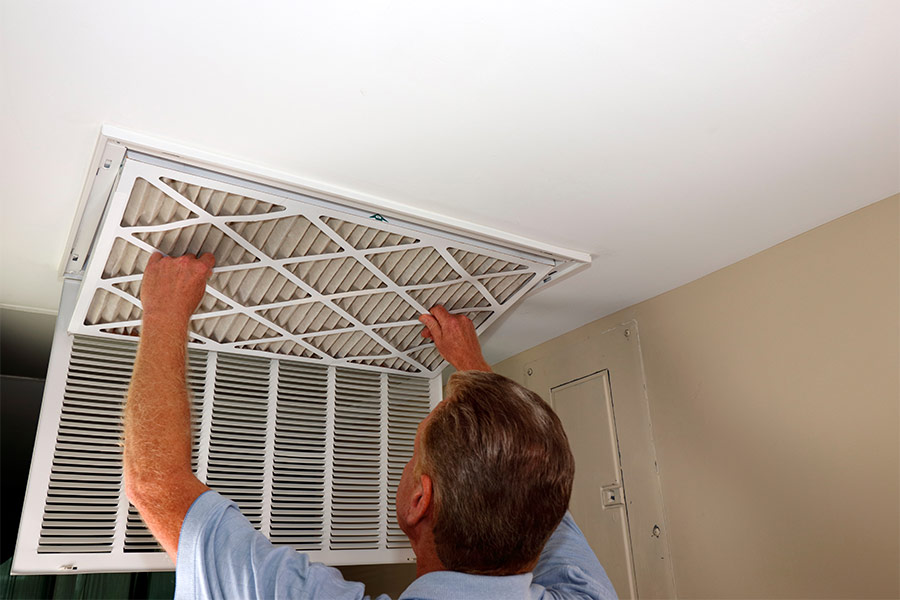
You’re likely aware that a well-functioning HVAC system is essential for maintaining comfort in your home. However, problems like uneven heating or unusual noises can be frustrating and costly if left unchecked. You can start by inspecting your vents and filters, but that’s just the tip of the iceberg. Have you ever wondered why your energy bills are climbing or why your system cycles on and off so frequently? There’s more to uncover about diagnosing and addressing these common issues before they escalate into major repairs. Let’s explore how you can take action.
Uneven Heating or Cooling
Uneven heating or cooling in your home often indicates problems with your HVAC system’s ductwork or thermostat settings, which you should address promptly to guarantee optimal performance. Start by inspecting your ductwork for leaks or blockages. Use a flashlight and a smoke pencil to detect air escaping from joints or seams. Seal leaks with duct mastic or metal tape, avoiding standard duct tape, as it doesn’t hold up well over time. Confirm all vents are open and unobstructed to allow consistent airflow throughout your rooms.
Next, check your thermostat settings. Verify it’s set to the correct mode (heating or cooling) and programmed for ideal temperatures. If your thermostat is outdated, consider upgrading to a programmable or smart thermostat, which can better regulate temperatures and improve efficiency. Calibrate your thermostat, following the manufacturer’s instructions, to confirm it’s accurately reading room temperatures.
Additionally, examine the air filter. A clogged filter restricts airflow, causing uneven distribution. Replace filters frequently every three months or more if you have pets or allergies. Regular maintenance and checks will help you confirm your HVAC system operates smoothly, providing comfort and efficiency to serve others effectively.
Unusual Noises From Unit
When your HVAC unit starts making unusual noises, it’s important to identify the source promptly to prevent potential damage and costly repairs. Start by listening carefully to the type of noise. A rattling sound might indicate loose components, such as screws or bolts, which can be tightened with a screwdriver or wrench. Verify all parts are secure, especially the fan blades and panels.
A hissing noise may suggest a refrigerant leak. In this case, it is vital to contact a professional technician to handle refrigerant safely. If you hear a squealing or screeching sound, the issue might be with the blower motor or fan belt. Check if the belt is misaligned or worn out and replace it if necessary. Lubricating the motor bearings could also solve the problem.
If you hear a banging or clanging noise, inspect the blower assembly or motor mounts. Parts could be misaligned or damaged, requiring adjustment or replacement. Finally, a buzzing sound might stem from electrical issues, like a failing capacitor. Ensure the unit is powered off before inspecting electrical components, and consider seeking professional help for complex electrical repairs. Addressing these noises swiftly enhances the unit’s efficiency and longevity, guaranteeing comfort for everyone in your home.
Inconsistent Airflow Issues
After addressing unusual noises, turn your attention to inconsistent airflow, which often signals obstructions in ducts, dirty filters, or faulty dampers that need immediate examination. Start by inspecting the air filters. Clogged filters restrict airflow, causing uneven distribution throughout your home. Replace or clean them regularly to maintain peak performance.
Next, examine the ductwork for any visible blockages or leaks. Use a flashlight to peer into accessible duct sections, checking for debris or signs of damage. If you find any obstructions or gaps, clear the debris or use duct tape to seal small leaks temporarily. Larger issues require professional intervention.
Dampers, which control airflow within the ductwork, may also be the culprit. Locate them along the ducts and verify they’re open and correctly positioned. If they’re stuck, gently adjust them to restore proper airflow balance.
Additionally, verify that furniture or curtains do not block vents and registers. Sometimes, the most straightforward solutions are the most effective. By addressing these elements, you enhance the comfort of the spaces you serve, guaranteeing a well-balanced and efficient HVAC system that effectively meets everyone’s needs.
Thermostat Malfunctions
A malfunctioning thermostat can disrupt your HVAC system’s efficiency, so it’s important to check its settings, battery life, and wiring connections to confirm that it accurately controls the temperature. Start by confirming that the thermostat is set to the desired mode, either heating or cooling and verify that the temperature setting aligns with your comfort needs. If it’s programmable, check that the schedule corresponds with your routine.
Next, inspect the battery life. Many thermostats rely on batteries to maintain settings, and depleted batteries can cause erratic behavior. Replace them if necessary, and observe if the issue is resolved. Should problems persist, examine the wiring connections. Turn off the power to your HVAC system and carefully remove the thermostat cover to access the wires. Look for loose or corroded connections and gently tighten or clean them.
If you’re still experiencing issues, it might be time to recalibrate or replace the thermostat. Consult the manufacturer’s instructions for recalibration or consider upgrading to a more advanced model with smart capabilities for improved accuracy and efficiency. Verifying your thermostat functions correctly helps maintain a comfortable environment and reduces unnecessary strain on your HVAC system.
High Energy Bills
Skyrocketing energy bills often indicate your HVAC system isn’t running efficiently, and pinpointing the root cause can lead to significant savings and better performance. Begin by inspecting your air filters. Clogged filters restrict airflow, forcing the system to work harder and consume more energy. Replace them regularly, ideally every three months, or more frequently if you have pets or allergies.
Next, examine your ductwork for leaks. Damaged or poorly sealed ducts can lose up to 30% of heated or cooled air, directly impacting efficiency. Use metal tape or mastic sealant to repair any visible gaps or holes. Additionally, verify your vents are unobstructed by furniture or drapery, allowing air to circulate freely throughout your home.
Don’t overlook the condition of your HVAC unit itself. An aging system may lack the energy efficiency of modern models. Consider scheduling a professional tune-up to clean components like the blower motor and evaporator coils, which can improve operation. Also, check your thermostat settings. Programming it to adjust temperatures when you’re away can optimize performance and reduce costs.
Strange Odors From Vents
Detecting strange odors emanating from your vents often signals underlying issues in your HVAC system that require immediate attention. First, identify the type of odor. A musty smell might indicate mold or mildew in your ductwork, usually due to moisture accumulation. Inspect drip pans and condensate lines for blockages or leaks, which often contribute to such conditions. You may need to clean or replace air filters and have the ducts professionally cleaned to prevent health hazards and maintain air quality.
If you smell a burning odor, it could mean an electrical issue or overheating components. Immediately turn off the system and inspect electrical connections and components like capacitors or motors for signs of damage or wear. Seek professional assistance if you’re not experienced with electrical systems to guarantee safety.
A rotten egg smell suggests a natural gas leak, a serious hazard. Evacuate the area and immediately contact your gas company and a certified HVAC technician. It’s important to regularly schedule maintenance checks to guarantee your system operates safely and efficiently. By addressing these issues promptly, you protect your home and serve others by maintaining a safe and healthy environment.
Frequent Cycling On and Off
While addressing strange odors is critical for your HVAC system’s health, frequent cycling on and off indicates potential thermostat issues or system airflow problems, demanding immediate attention. When your HVAC unit turns on and off too often, it can lead to increased wear and tear and higher energy bills. To serve others effectively, you should identify and solve these issues promptly.
First, check your thermostat settings. Confirm it’s correctly programmed and not near heat sources or direct sunlight, which can cause inaccurate readings. A poorly calibrated thermostat can trigger frequent cycling.
Next, examine the airflow components:
- Air Filters: Clogged filters restrict airflow, causing the system to overwork. Replace or clean filters regularly.
- Vents and Registers: Confirm they’re not blocked by furniture or debris, allowing free airflow throughout your home.
- Ductwork: Leaks or obstructions in ducts can disrupt airflow. Inspect ducts visually or consult a professional for a thorough check.
Lastly, verify that your HVAC system is appropriately sized for your home. An oversized unit can cycle too frequently, leading to inefficiency. Addressing these issues enhances HVAC performance and fosters a comfortable, energy-efficient environment for those you serve.
Water Leaks From the System
Water leaks from your HVAC system often point to issues with the condensate drain line or pan, necessitating a prompt inspection to prevent further damage and maintain system efficiency. First, check the condensate drain line, which removes moisture produced during the cooling process. If it’s clogged with debris or algae, use a wet/dry vacuum to clear it. Also, ensure the line is properly sloped, allowing gravity to assist in efficiently removing water.
Next, inspect the condensate pan located beneath the evaporator coil. Over time, it can crack or rust, leading to leaks. Replace the pan if you notice any damage. For temporary fixes, apply a water-resistant sealant until a replacement is available.
Regular maintenance is essential here; periodically clean or replace the air filters to avoid excess moisture buildup. Additionally, make certain your system is level. An uneven unit can cause improper drainage, leading to leaks.
Frozen Evaporator Coils
After addressing water leaks, it’s important to understand that frozen evaporator coils often result from restricted airflow or low refrigerant levels, compromising your HVAC system’s cooling efficiency. When these coils freeze, they can’t absorb heat effectively, causing the system to work harder and use more energy. To tackle this issue, you need first to determine the underlying cause.
Start by turning off your HVAC system to allow the coils to thaw. This might take several hours, so be patient. Once melted, inspect the system for potential issues. Here’s what to focus on:
- Check for Blockages: Verify that vents and registers aren’t obstructed by furniture or debris, which can restrict airflow and lead to freezing.
- Inspect the Blower Fan: A malfunctioning fan can impede airflow, so check if it’s operating correctly and replace it if necessary.
- Refrigerant Levels: Low refrigerant can cause coils to freeze. If this is the problem, a professional will need to check and refill the refrigerant.
Dirty or Clogged Filters
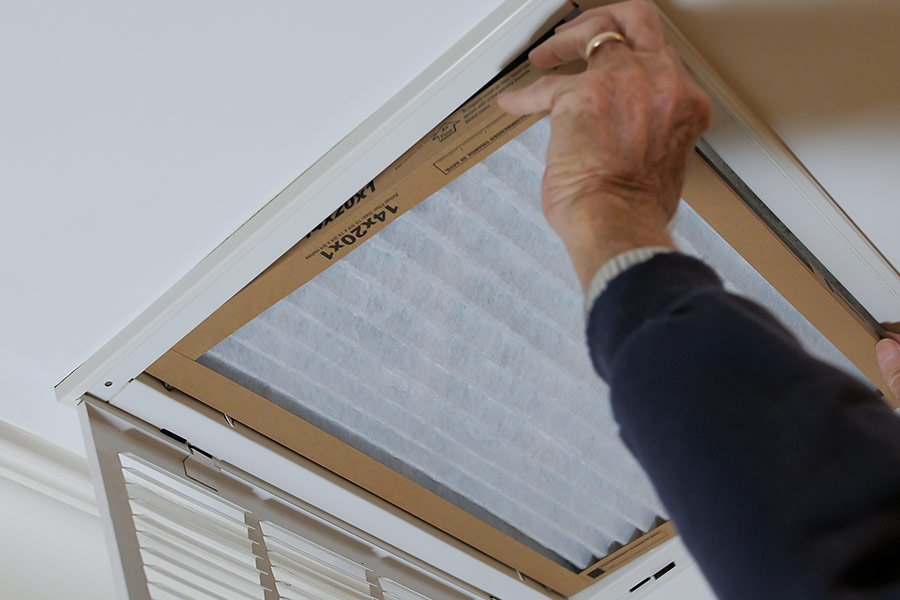
A dirty or clogged filter can greatly hinder your HVAC system’s performance by restricting airflow, leading to increased energy consumption and potential system damage. When airflow is restricted, your system works harder to maintain a comfortable temperature, which can wear out components prematurely. To keep your system running efficiently, you should check your filters monthly, especially during high-use periods like summer and winter.
Begin by turning off the HVAC system to guarantee safety. Locate the filter in the return air duct or at the system’s intake point. Remove the filter carefully and examine its condition. If it looks darkened or clogged with dust and debris, it’s time for a replacement. Use the filter size specified by the manufacturer to ascertain proper fit and function.
For those looking to serve others, encourage regular filter maintenance to promote a healthier indoor environment, potentially reducing allergens and pollutants in the air. By replacing or cleaning filters regularly, you enhance the efficiency of the HVAC system, leading to lower energy bills and a longer system lifespan. Clean filters contribute considerably to peak system performance and indoor air quality.
Frequently Asked Questions
How Often Should HVAC Systems Receive Professional Maintenance?
You should schedule professional HVAC maintenance at least once a year. Spring or fall is perfect since it’s off-peak. Regular checks guarantee efficiency, extend system life, and provide comfort. Consider servicing twice yearly for peak performance.
What Is the Ideal Temperature Setting for Energy Efficiency?
Imagine a smooth, humming HVAC system. Set your thermostat to 78°F in summer and 68°F in winter. These settings balance comfort and energy savings, ensuring you serve others efficiently by reducing unnecessary energy consumption.
How Do I Know When to Replace My HVAC System?
You’ll know it’s time to replace your HVAC system when it frequently breaks down, energy bills soar, inconsistent temperatures occur, or you are over 15 years old. Prioritize comfort and efficiency to serve those in your home better.
Can Pets Affect the Performance of My HVAC System?
Yes, pets can affect your HVAC system’s performance. Pet hair and dander clog filters, reducing airflow and efficiency. Regularly vacuum, change filters monthly, and consider upgrading to a HEPA filter to guarantee peak system performance.
What Are the Benefits of Upgrading to a Smart Thermostat?
“A stitch in time saves nine.” Upgrading to a smart thermostat optimizes energy use, reduces costs, and enhances comfort. You’ll efficiently manage temperatures remotely, ensuring your home’s environment serves others better while contributing to sustainability.