

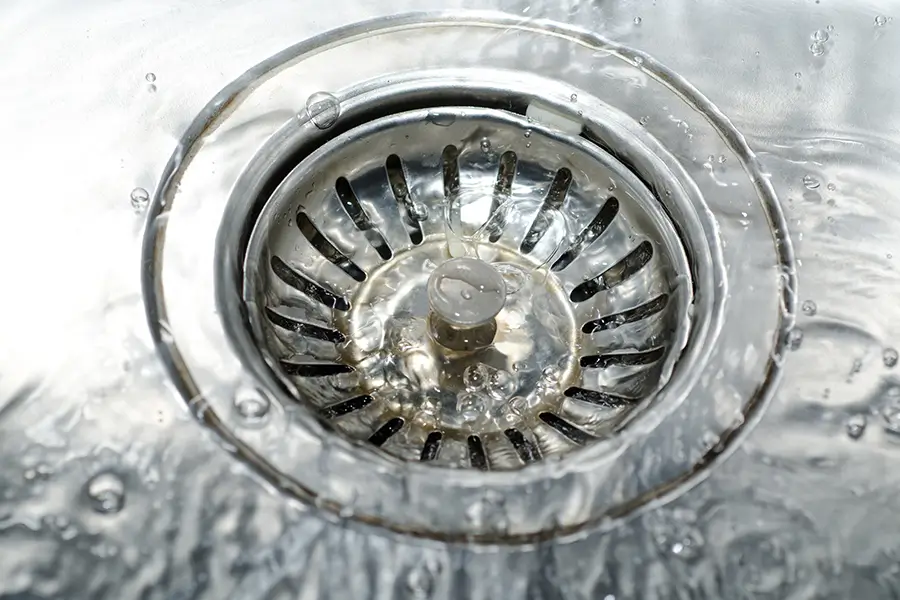
Imagine pouring boiling water down your kitchen sink and watching the stubborn clog slowly dissolve without a single chemical in sight. You’ve tried store-bought solutions and perhaps found them harsh and ineffective. But what if there were more straightforward, natural ways to tackle this common problem? From the fizzy power of baking soda and vinegar to a simple mix of dish soap and hot water, these methods might surprise you with their effectiveness. Ready to discover how household staples can transform your plumbing woes into a thing of the past?
Boiling Water Technique
To effectively unclog your drain, pour a kettle’s worth of boiling water directly down the drain to loosen any accumulated debris. This method is simple yet powerful because the heat can break down grease and soap scum, making it easier for any trapped materials to move along. Confirm you’re careful when handling boiling water to avoid spills or burns, as safety should always be a priority.
Before starting, make certain the sink is clear of any standing water. You want the boiling water to reach the clog directly without dilution. Once you’ve poured the boiling water, give it a few minutes to work its magic. This technique is particularly effective for minor clogs caused by everyday residues.
If your sink drains slowly, repeat the process two or three times, allowing the water to cool slightly between each attempt. This approach is cost-effective and environmentally friendly, as it doesn’t rely on harsh chemicals. By confirming your drains are free-flowing, you’re helping to maintain a healthy plumbing system, ultimately serving others by keeping shared spaces clean and functional. Remember, regular maintenance can prevent future clogs, preserving your pipes’ longevity.
Baking Soda and Vinegar
Frequently, you can unclog drains effectively by using a combination of baking soda and vinegar, which reacts to break down stubborn clogs naturally. Start by pouring half a cup of baking soda directly into the drain. This substance acts as a scrubbing agent, targeting the buildup of grease and grime. After that, pour a cup of white vinegar into the drain. The chemical reaction between the baking soda and vinegar creates a fizzy action that helps dislodge the clog. This method is not only eco-friendly but also safe for your plumbing.
Allow the mixture to sit for at least 30 minutes. During this time, the fizzing action will work through the clog, breaking it apart. Cover the drain with a plug or cloth to concentrate the reaction within the pipes for a more effective approach. After waiting, flush the drain with hot water to wash away the loosened debris. Repeat the process if necessary, ensuring persistence in tackling the clog. By following these steps, you’re resolving the issue at hand and helping maintain a cleaner, more efficient plumbing system for the entire household.
Salt and Hot Water
Another practical solution for unclogging drains involves pouring a mixture of salt and hot water down the drain to help dissolve grease and dislodge debris. Start by boiling a pot of water. While the water heats, pour about half a cup of salt directly into the drain. The abrasive nature of salt will help scrape away the buildup lining the pipe walls. Once your water reaches a rolling boil, carefully pour it over the salt in the drain. The hot water will aid in dissolving any congealed fats and oils, making it easier for them to flow through the plumbing.
Use coarse sea salt or kosher salt for best results, as their larger grains are more effective at scrubbing away grime. Remember to exercise caution when handling boiling water to avoid burns. After pouring the boiling water, let the solution work its magic for a few minutes. Then, run hot tap water for a minute to flush out residues further. If needed, repeat the process to tackle stubborn clogs. By using this simple, chemical-free method, you’re maintaining your drain’s health and ensuring a safer, more eco-friendly approach to household maintenance.
Dish Soap and Hot Water
If salt and hot water aren’t enough to clear the blockage, try using dish soap and hot water as an effective, non-toxic alternative for loosening stubborn grease clogs. Begin by pouring a generous amount of dish soap directly into the drain. Dish soap is specifically formulated to cut through grease, which makes it an excellent choice for dissolving the fatty deposits that often cause clogs.
Next, boil a kettle of water. Carefully pour the boiling water down the drain, allowing the heat to melt the grease while the soap emulsifies it. The combination of hot water and soap can effectively break down the build-up, allowing it to flow freely through the pipes. Repeat this process several times, ensuring you’ve thoroughly dealt with the blockage.
This method resolves the clog and prevents potential chemical damage to your pipes and the environment. It’s a practical solution that prioritizes safety and sustainability. Always remember to handle the hot water with care to avoid burns. By following these steps, you’ll maintain a clear drain without resorting to harsh chemicals, supporting your household and the environment.
Plunger Method
Grab a plunger to effectively dislodge stubborn clogs from your drain without using harsh chemicals. This practical and eco-friendly approach can save you time and protect the environment. Begin by selecting the right plunger; a cup plunger works best for sinks and tubs, while a flange plunger is ideal for toilets. Verify there’s enough water in the sink or tub to cover the rubber part of the plunger, creating a seal.
Position the plunger over the drain, ensuring a snug fit. With steady force, push down and pull up in quick, successive motions. This action creates suction, which can loosen the blockage. If you feel the resistance decreases, you’re likely making progress. Repeat the process for a few minutes.
If the water begins to drain slowly, you’ve made headway. Remove the plunger carefully, and run hot water down the drain to clear the remaining debris. This method is effective and empowers you to serve others by maintaining a clean and functioning home environment. Remember, persistence is key, and your efforts can make a significant difference in keeping your drains clear.
Wire Hanger Trick
For a simple and effective alternative to the plunger, use a wire hanger to remove blockages from your drain manually. First, locate a standard wire hanger and straighten it as much as possible, leaving one end bent to form a small hook. This hook will help you grab and extract debris lodged in the drain.
Before proceeding, verify that you have a pair of rubber gloves to keep your hands clean and protected. Slowly insert the hooked end into the drain, gently maneuvering it around bends. Feel for resistance, which indicates a blockage. Once you detect the obstruction, use the hook to pull it out carefully. Be patient, as some materials might require multiple attempts to dislodge.
After removing visible debris, run hot water down the drain to verify it’s clear. This step also helps wash away any remaining particles. If the water drains smoothly, you’ve successfully unclogged it. Remember, this method is ideal for hair, small objects, and other common blockages.
Baking Soda and Salt
Combine equal parts baking soda and salt to create a potent mixture for dissolving stubborn drain clogs. Start by measuring half a cup of baking soda and half a cup of salt. The sodium bicarbonate in baking soda breaks down grime, while the abrasive texture of salt helps scrub away residue. This combination is both eco-friendly and effective.
Pour the mixture directly into the clogged drain, guaranteeing it reaches deep inside. Let it sit for about 30 minutes. This waiting period allows the mixture to react with the buildup, loosening it for easy flushing. Follow up by pouring boiling water down the drain for an even more effective solution. The heat helps dissolve any remaining blockage and activates the mixture further.
If you’re dealing with more stubborn clogs, repeat the process. It’s safe for most pipes and won’t cause harm like harsh chemicals might. This method clears the drain and helps prevent future clogs by breaking down organic material. In serving others, you guarantee a safer, chemical-free environment, making your home healthier for everyone. Remember, persistence and patience are key to a clear and functional drain.
Wet and Dry Vacuum
If natural mixtures aren’t resolving the issue, using a wet and dry vacuum can effectively provide a powerful alternative for unclogging drains. First, verify your vacuum is set to the wet mode to handle any residual water. To maximize suction, you’ll want to create a tight seal around the drain. To create this seal, use a rubber adapter or modify the nozzle with a damp cloth. Air mustn’t escape, as the vacuum’s strength depends on it.
Start by setting the vacuum to its highest setting. You may need to experiment with the nozzle’s position to optimize the suction. Once you’ve got a secure fit, switch on the vacuum. The powerful suction can dislodge stubborn clogs, pulling debris up and away from the drain.
Check the vacuum container after use to dispose of any debris safely. Repeat the process if necessary. This method is effective and safe for your plumbing, avoiding harsh chemicals that could harm pipes. By utilizing your wet and dry vacuum, you’re opting for an eco-friendly and efficient solution that serves you and the environment well.
Lemon Juice Boost
Harness the natural acidity of lemon juice to break down organic matter in clogged drains, offering an effective and eco-friendly unclogging solution. Start by warming a cup of lemon juice; this enhances its potency. Pour it directly into the drain, focusing on areas where blockages are suspected. The citric acid in lemon juice helps dissolve grease, soap scum, and other organic residues that contribute to clogs. Allow the juice to sit for at least 30 minutes, giving it time to penetrate and break down the materials causing the obstruction.
After the waiting period, flush the drain with boiling water. The heat from the water will help wash away the dislodged particles and cleanse the pipe. If the clog persists, repeat the process or consider using a mechanical tool like a plunger to assist in removing stubborn blockages.
Incorporating lemon juice into your regular drain maintenance routine can prevent future clogs, making it an invaluable tool for those who seek to serve others by maintaining a clean, chemical-free environment. Plus, it leaves a fresh, citrus scent, enhancing your space’s overall cleanliness and appeal.
Biological Cleaners
For a natural and effective way to tackle stubborn drain clogs, consider using biological cleaners that employ beneficial bacteria and enzymes to break down organic waste. These cleaners are eco-friendly and safe for your plumbing, making them an excellent choice for those who prioritize sustainability. When you’re ready to use a biological cleaner, here’s a step-by-step guide:
- Choose the Right Product: Look for products labeled explicitly as biological or enzyme-based drain cleaners. They should contain a blend of bacteria and enzymes designed to digest organic material.
- Follow Instructions Carefully: Each product will have unique instructions. Make sure you follow them precisely to guarantee ideal results. This might involve letting the cleaner sit overnight.
- Be Patient: Unlike chemical solutions, biological cleaners may take longer to work. Give them time to break down the buildup effectively.
- Regular Maintenance: Incorporate biological cleaners into your regular cleaning routine to prevent future clogs. Regular use will help maintain clear and healthy drains.
Conclusion
You now have a toolbox of eco-friendly strategies for unclogging drains, reminiscent of MacGyver’s resourcefulness. Whether it’s the fizzling magic of baking soda and vinegar or the brute force of a plunger, these methods keep your pipes clear without harsh chemicals. As boiling water loosens grease, your newfound knowledge can effortlessly tackle blockages. Keep these solutions handy, and you’ll remain the hero of your home’s plumbing challenges, all while being kind to the environment.
Frequently Asked Questions
How Often Should I Clean My Drains to Prevent Clogs?
You should clean your drains monthly to prevent clogs. Regular maintenance helps keep water flowing smoothly and reduces the risk of blockages, ensuring efficient plumbing for yourself and others you may serve.
Can Clogged Drains Cause Damage to Plumbing Systems?
Yes, clogged drains can damage plumbing systems. They cause pressure build-up and may lead to leaks or burst pipes. Regular maintenance is essential. Addressing clogs promptly and efficiently can prevent costly repairs.
Are There Specific Tools to Help Prevent Drain Clogs?
Yes, you can use drain strainers and hair catchers to prevent clogs. Regularly clean these tools to maintain efficiency. For added protection, consider installing a drain auger or snake to remove debris before it accumulates.
What Are Some Signs That a Drain Is Starting to Clog?
When your drain starts whispering its struggles, don’t ignore it. Watch for slow drainage, gurgling sounds, or lingering odors. Address these early to prevent a full-blown blockage, keeping your space welcoming and functional for everyone.
Is It Safe to Use Natural Methods on All Types of Drains?
Yes, using natural methods on most drains is generally safe, but always check your specific drain type. You may need to adjust techniques for materials like PVC or older pipes. Prioritize safety and effectiveness for best results.