


If you’re a homeowner in Moorpark, CA, dealing with pesky drain issues, you’re not alone. Clogs can disrupt your daily routine and lead to costly repairs. Luckily, there are effective DIY methods that can save you time and money. By understanding common causes and having the right tools on hand, you can tackle most problems yourself. But what if your efforts don’t yield results? Let’s explore some practical solutions that can keep your drains flowing smoothly.
Understanding Common Causes of Clogs
When you understand the common causes of clogs, you can take proactive steps to prevent them. Hair, grease, food particles, and soap scum are often the culprits behind slow or blocked drains.
In your bathroom, hair can easily accumulate in the shower or sink, creating a stubborn blockage. In the kitchen, pouring grease down the drain seems harmless, but it solidifies and builds up over time. Food scraps can also create clogs, especially if you don’t have a garbage disposal.
Additionally, soap scum can harden in pipes, narrowing the flow. To prevent these issues, consider using drain screens to catch hair and food, and avoid pouring grease down the sink. Regularly flushing your drains with hot water can help keep them clear, as regular drain cleaning prevents clogs and blockages in plumbing systems. By being mindful of what goes down your drains, you’ll save yourself from the hassle and expense of dealing with clogs later.
Essential Tools for DIY Drain Cleaning
To effectively tackle drain issues at home, having the right tools on hand can make all the difference. Start with a good plunger; it’s essential for dislodging clogs in sinks and toilets.
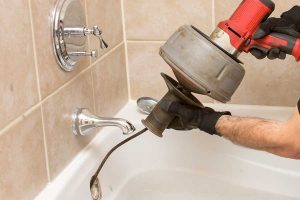
A plumber’s snake is another must-have, allowing you to reach deeper blockages that a plunger can’t handle. Don’t forget a drain auger for tougher jobs, as it can cut through grease and hair buildup.
You should also have a set of rubber gloves and safety goggles for protection. A bucket can help catch any mess and keep your work area clean.
For minor clogs, consider a wet/dry vacuum, which can suck out debris with ease. Finally, a natural drain cleaner made from baking soda and vinegar can help maintain clear pipes. Additionally, having access to water leak detection services can ensure that any hidden issues are addressed before they escalate into larger problems.
With these tools, you’ll be well-equipped to handle various drain issues efficiently and effectively.
Step-by-Step Guide to Unclogging Drains
Unclogging drains can feel like a challenging task, but with the right approach, you can tackle it effectively.
First, gather your essential tools: a plunger, a drain snake, and a bucket. Begin by removing any visible debris from the drain.
Next, if it’s a sink, fill it with a bit of water to help create a seal with the plunger. Use firm, quick plunges for about 30 seconds. If that doesn’t work, try the drain snake. Insert it into the drain until you meet resistance, then twist and pull to dislodge the clog.
For stubborn blockages, you might want to use a mixture of baking soda and vinegar. Pour half a cup of baking soda followed by half a cup of vinegar into the drain. Let it sit for 30 minutes, then flush with hot water. Remember, for more complex issues, you can rely on innovative sewer repair methods like epoxy lining and trenchless technology for professional assistance.
If these steps don’t resolve the issue, consider calling a professional for assistance.
Natural Solutions for Drain Maintenance
While regular drain cleaning may not seem essential, maintaining your drains with natural solutions can prevent clogs and keep your plumbing running smoothly.
One effective method is using baking soda and vinegar. Pour half a cup of baking soda down the drain, followed by half a cup of vinegar. Let it sit for 30 minutes, then flush with hot water. This combination breaks down buildup without harsh chemicals.
Another option is hot water. Regularly pouring boiling water down your drains helps dissolve grease and soap residue. For a more aromatic touch, you can add lemon juice to the hot water to freshen things up.
Lastly, consider a monthly maintenance routine with salt. Just pour a handful down the drain, follow with hot water, and let it work its magic.
In addition to these DIY methods, scheduling regular sewer camera inspections can help identify any underlying issues that may not be noticeable through simple maintenance.
These natural solutions are easy, effective, and safe for your plumbing, ensuring your drains stay clear and odor-free.
When to Call a Professional Drain Service
Even with regular maintenance using natural solutions, there are times when drain issues escalate beyond simple fixes.
If you’re dealing with persistent clogs, slow drainage, or unpleasant odors that don’t resolve after trying DIY methods, it’s time to call in the experts. Ignoring these signs can lead to more severe problems, like pipe damage or sewage backups, which can be costly and hazardous.
Additionally, if you notice signs of water damage or mold, it’s essential to act quickly. A professional drain service can assess the situation, identify underlying issues, and provide effective solutions.
Don’t hesitate to reach out if you suspect tree root intrusion or require video inspection services; these situations often require specialized equipment and expertise.
Conclusion
By taking the reins on your drain issues, you can save both time and money while keeping your home in top shape. Remember, regular maintenance is like oiling a machine; it keeps everything running smoothly. With the right tools and techniques, you can tackle most clogs yourself. But if your efforts don’t yield results, don’t hesitate to call in a professional. After all, sometimes it takes a seasoned expert to turn a trickle back into a steady stream.