

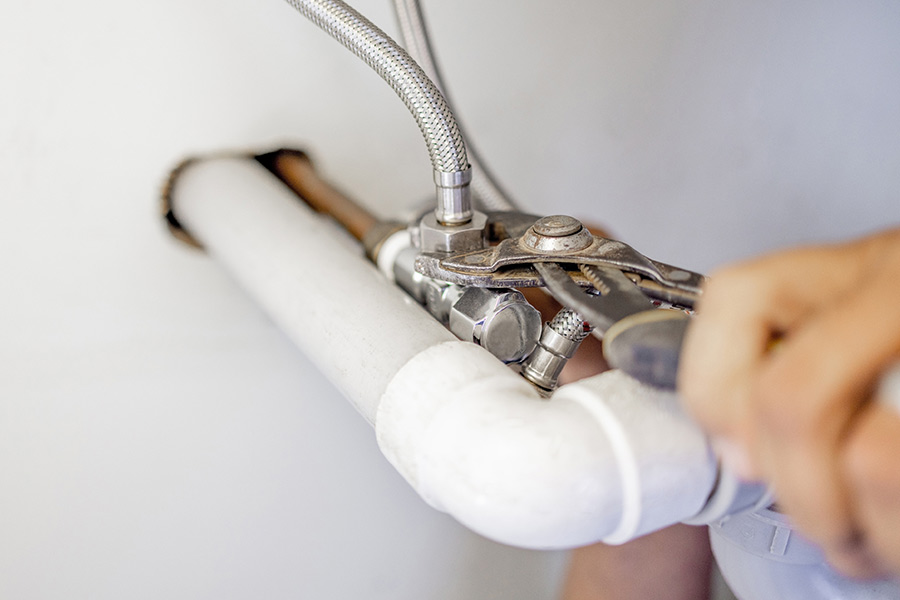
Banging, humming, or rattling pipes aren’t just annoying — depending on the cause, they can signal water pressure problems, loose fittings, or clogs that get worse the longer they’re ignored.
Key Points
- The sound your pipes make is a diagnostic clue: banging usually means water hammer, humming means high pressure, gurgling means a clog, and rattling means loose pipes.
- Both the International and Uniform Plumbing Codes cap residential static water pressure at 80 psi — above that, pipes and fixtures are at real risk of damage.
- Not every noisy pipe causes damage, but ignoring the noise means ignoring whatever is actually causing it.
- Water hammer arrestors, pressure-reducing valves, and pipe strapping are the most common fixes, depending on the sound.
- DIY fixes exist for some causes, but persistent or worsening noise is best diagnosed by a licensed plumber before it leads to a leak.
- Fix It Fast Plumbing Heating & Air serves Westlake Village, CA and the surrounding Ventura County area for exactly this kind of diagnostic work.
If you live in an older home, you’re probably used to its quirks. From squeaking stairs to the furnace that rumbles to life every hour, most of these sounds are simply background noise.
Sometimes, though, the sounds we tend to ignore can be a sign of trouble. Case in point? Plumbing that makes a racket every time you turn the water on or off.
As a trusted plumber in Westlake Village, CA, many customers call us asking, “Are noisy water pipes dangerous?” and want to know what to do about them. In most cases, quieting things down only requires a simple fix.
What Causes Noisy Pipes in Westlake Village?
First, let’s answer the big question: Are noisy pipes dangerous?
Depending on why the pipes are making noise, the problem can be dangerous to the overall plumbing system and your home. For example, a high-pitched whining sound could mean that a small piece of hardware, like a nut or bolt, is loose or corroded. Eventually, the piece could fail, causing leaks that result in water damage, mold growth, and other problems.
Not all problems that cause noisy pipes will result in damage to your Westlake Village home, but it’s still worth investigating and solving them to ensure your plumbing stays in good shape. Some of the most common sounds include:
Banging
When your pipes make banging noises when you turn off the faucet, whether one loud, immediate bang or a series of bangs that reverberate through the pipe, that’s typically a sign of a water pressure issue or, more accurately, a problem with the water hammer that controls the flow. If the pressure is too high, suddenly stopping it creates a wave that reverberates through the pipes, causing the banging noise.
Humming
Excessively high water pressure can also create a humming noise. The sound comes from the vibration that the water flowing through the pipes creates. This extra pressure can mean the answer to “Are noisy water pipes dangerous?” is “Yes,” because constant exposure to high water pressure can damage the structural integrity of the pipes and leave them vulnerable to leaks or even bursting. The EPA notes that most U.S. plumbing codes require a pressure-reducing valve once household water pressure exceeds 80 psi — well beyond the comfortable range for most homes.
Gurgling
Gurgling sounds are often a sign of a clog somewhere in the plumbing system. As water or waste encounters a blockage, it causes a pressure imbalance that results in a gurgling sound. Clogs can also cause banging noises in the pipes. If gurgling keeps coming back after a basic drain cleaning, it may point to a deeper clog further down the line.
Rattling
Rattling sounds are one of the easiest noises to spot and address in Westlake Village homes. In most cases, pipes rattle because they are loose. Any time you turn the water on, the pipes shake and rattle against the walls or floor and ceiling joists.
In most cases, this happens because the fasteners holding the pipes in place succumb to corrosion and fail, or they become loose over time due to vibrations.
Preventing Noisy Pipes in Westlake Village Homes
Westlake Village has a wide mix of housing stock — older homes near the lake with original galvanized or copper piping, and newer hillside builds with modern PEX or copper systems. That age gap matters, because it changes both the likely cause of the noise and how to prevent it.
In older homes, loose fasteners and corroded fittings are the more common culprits — the pipes have simply had decades to shift, corrode, and work themselves loose. A yearly check of exposed pipe straps in the attic, crawlspace, or under sinks can catch this before it turns into a full-blown rattle or, worse, a leak.
In newer homes, high water pressure from the municipal supply is more often to blame, since modern plumbing is tighter and transmits pressure-related vibration more readily. Installing a pressure-reducing valve at the main water line, if one isn’t already present, is the most reliable long-term fix — and it protects your appliances and fixtures, not just your pipes, from the wear that comes with pressure above 80 psi.
Either way, a simple annual plumbing check is the cheapest way to catch pressure or fastener issues before they turn into the noise — or the damage — you’re trying to avoid.
How to Silence Noisy Pipes
Knowing the answer to the question, “Are noisy water pipes dangerous?” might make you more inclined to deal with the issue and quiet them down. A Westlake Village plumber will be able to help you get to the bottom of the noise and make repairs that protect the plumbing — and your home — from damage.
Common solutions for problematic pipes include:
- Installing a new water hammer or adding air chambers and pressure reducers to prevent banging when you turn off the water flow.
- Replacing worn components, including full repiping if corrosion has affected multiple sections.
- Adjusting the water pressure to reduce strain on the plumbing.
- Drain cleaning to clear out any clogs that are blocking water flow and causing noise, backups, and other issues.
- Securing loose pipes that create rattling sounds.
It’s typically best to work with a professional plumber to determine the source of loud pipes and find a solution. Because pipe sounds are a symptom of another issue, stopgap measures are usually ineffective. It’s better to have a plumber repair the underlying cause, which may be more complex or deeper within the system than you expect.
Fix It Fast Plumbing Heating & Air Is Here to Solve Your Pipe Problems in Westlake Village
Sometimes, noisy pipes are more annoying than anything else. In other cases, they can signal that you’re on a path to big trouble with the plumbing system. If you aren’t sure about the reason for the sounds and wonder, “Are noisy water pipes dangerous?” reach out to Fix It Fast Plumbing Heating & Air for expert help in Westlake Village, CA.
Our team of licensed plumbers will find the solution to your plumbing woes, clear up the most common plumbing myths, and ensure you have a reliable, quiet, and safe water supply.
Frequently Asked Questions About Noisy Water Pipes
Can I fix noisy pipes myself? Some causes are DIY-friendly — securing a loose pipe strap or installing a simple water hammer arrestor kit, for example. High water pressure, worn valves, or anything requiring access inside walls is safer left to a licensed plumber.
Is it normal for pipes to make some noise? A little sound — a soft tick as pipes expand or contract with temperature changes — is normal. Loud banging, sustained humming, or rattling every time you use water is not, and is worth investigating.
How do I know if my water pressure is too high? A pressure gauge that screws onto an outdoor spigot (available at most hardware stores) will give you a direct reading. Anything consistently above 80 psi means a pressure-reducing valve is likely needed.
Will noisy pipes eventually cause a leak? They can. Water hammer and high pressure put repeated stress on joints, fittings, and connections over time, which is exactly the kind of wear that leads to a leak or a pipe failure down the road.
How much does it cost to fix noisy pipes? It depends on the cause — a water hammer arrestor or pressure-reducing valve is a relatively affordable fix, while a full repipe due to widespread corrosion is a bigger investment. A technician can give you options after diagnosing the actual source.