




Westlake Village occupies a unique pocket where the climate shifts depending on which direction the wind is coming from. On calm winter nights, cold air settles into the low-lying areas around the lake and the surrounding residential corridors, dropping temperatures faster than the surrounding region. When a marine push gives way to dry inland air, nighttime lows can fall further than first-time residents expect for a community this close to the coast. A furnace that hesitates or underperforms on those nights is not something to leave for later.
The signs that a furnace is heading toward a problem are usually there before the failure. Here are the most common ones we hear about:
Catching any of these early puts you in a position to schedule a repair on your terms rather than reacting to a breakdown.
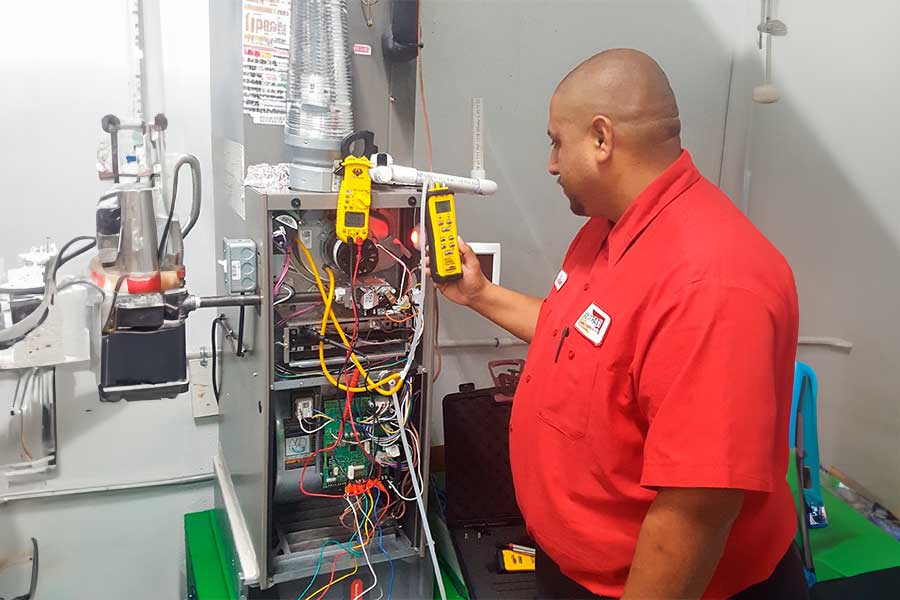
Westlake Village was largely built out through the 1970s and 1980s as a planned residential community, and its housing stock reflects that era consistently. Unlike cities that saw multiple waves of construction across different decades, Westlake’s neighborhoods came up in a compressed timeframe, which means a significant portion of the furnaces here are operating in the same age range and showing similar patterns of wear.
Systems from that period were built before modern efficiency standards, and many were sized and installed for homes that have since been renovated, extended, or reconfigured. That mismatch between original equipment and current home layout is something we encounter regularly. It shows up as chronic uneven heating, systems that run longer than they should, and components under more load than they were designed for. Heat exchanger fatigue is common in furnaces of this vintage, and it’s compounded by the thermal swings Westlake sees between warm afternoons and cold, still nights when cold air pools around the lake corridor.
Westlake Village also sits at the edge of Santa Ana wind influence. When those events move through in fall and early winter, fine particulate matter loads up return systems quickly, adding filter and burner contamination problems to systems that are already working near the top of their capacity.
Se Habla Espanol
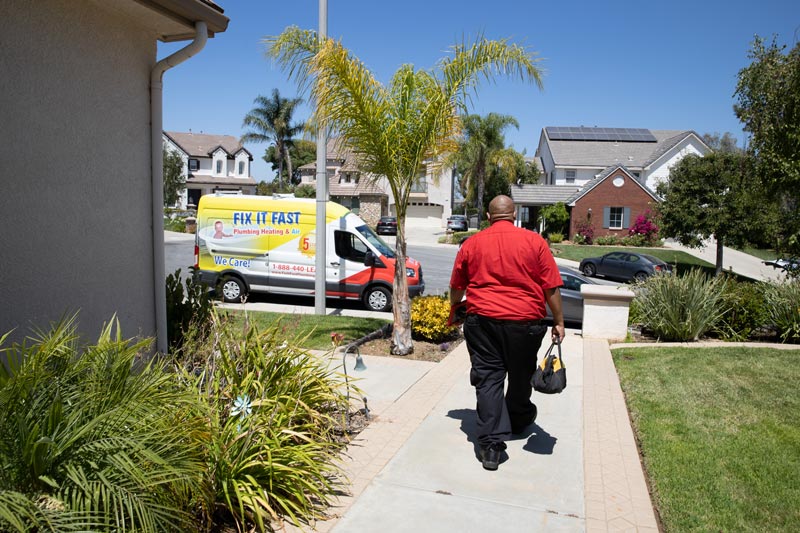
Arriving at a Westlake Village home, our first step is always a full system inspection before any conversation about repairs begins. We examine the heat exchanger thoroughly for cracks or fatigue, check burner operation and ignition sequencing, test the flame sensor, assess the blower motor and run capacitor, inspect the draft inducer and venting path, and verify thermostat accuracy and system communication. In a community where so many homes share a similar construction vintage, we’ve learned that a complete look at the first visit almost always reveals more than the presenting complaint.
After the diagnostic, the conversation is direct. We tell you what we found, explain what needs attention now, identify what can be monitored, and give you an honest read on the system’s overall condition. If the furnace is worth repairing, we do the work efficiently and test the full system before leaving. If the age and condition of the equipment makes replacement the smarter financial decision, we lay out that case clearly and let you decide.
We work on all furnace types and configurations, and we’re well acquainted with the mix of original installations and partial upgrades common in Westlake Village’s planned community homes. Emergency service is available at any hour, and we mean that. A cold house at two in the morning gets the same response as a call placed at noon.
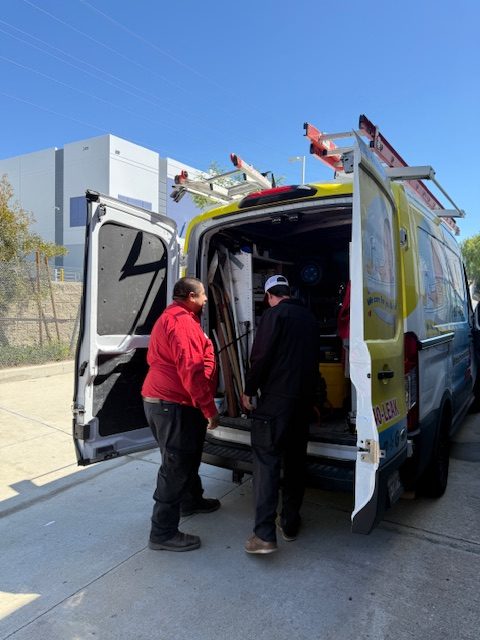
On a Thursday evening in late January, we heard from a homeowner named Claire in the North Ranch area. She’d turned the thermostat up that morning and noticed the house wasn’t responding the way it normally did. By the time she called us, the system had been running for most of the day without making meaningful progress against the temperature in the house.
Our technician arrived that evening and ran a full diagnostic. The gas valve was failing intermittently, opening partially but not delivering consistent fuel flow to the burners. The furnace was attempting to fire, achieving weak combustion in some cycles and failing to sustain it in others, which explained why it ran continuously without producing adequate heat. It was the kind of fault that doesn’t always show up as an obvious error code because the system technically starts.
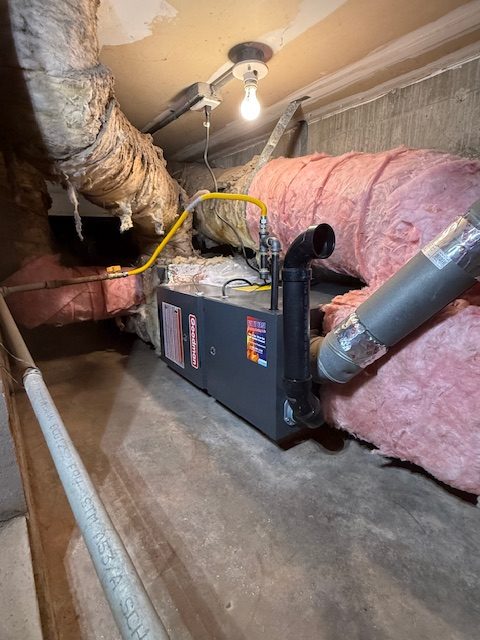
We replaced the gas valve, tested combustion across multiple cycles to confirm steady flame and proper heat output, and checked the rest of the system while we had it open. Claire’s house was up to temperature before we packed up that evening. She mentioned the furnace had felt slightly off for a few weeks, running a little longer than usual to hit the set point. That early performance change was the gas valve beginning to degrade, and addressing it before full failure kept the repair clean and contained.
Fix It Fast Plumbing Heating & Air is a family-owned business and Ventura County’s recognized best plumbing and HVAC company in 2023. Westlake Village is the kind of community that holds its contractors to a high standard, and that suits us fine. We show up prepared, we work carefully, and we communicate honestly from the first call to the final test.
Here’s what every service visit includes:
We’ve earned the trust of homeowners across Ventura County one call at a time, and every job in Westlake Village is handled with that same standard.
Furnace repair in Westlake Village, CA from Fix It Fast Plumbing Heating & Air. Family-owned, locally trusted, and available 24/7 for heating emergencies across Ventura County.
The bowl-shaped terrain around the lake and the low-lying residential corridors allow cold air to settle and pool overnight. On still winter nights with no wind to mix the air, temperatures near the lake and in sheltered neighborhoods can drop noticeably lower than surrounding areas at higher elevation or with more air movement.
Long run times without satisfying the thermostat usually mean the system is producing less heat than it should or that heat is being lost before it reaches the living space. A failing gas valve, a cracked heat exchanger reducing combustion efficiency, a failing blower, or significant duct leakage can all cause this. The specific cause matters because they carry different repair paths and different safety implications.
It does. When a community’s housing stock comes from a compressed construction window, you tend to see similar failure patterns emerge around the same time. In Westlake Village, that means heat exchangers, gas valves, and original blower assemblies from 1970s and 1980s builds are all reaching or passing their realistic service life within a similar timeframe. Regular inspections matter more when the equipment is in that age range.
Westlake Village sits at the edge of the Santa Ana wind corridor that moves through the region in fall and early winter. Those events carry fine dust and particulate matter that loads return vents and filters quickly, sometimes within a few days of a strong event. Contaminated filters restrict airflow, cause the system to run harder, and can contribute to overheating. Checking filters during and after wind events is one of the simplest ways to protect the system.
Yes. Our membership options include pre-season furnace inspections and tune-ups, which are particularly valuable for Westlake Village homeowners with older systems. Scheduling a checkup before heating season gives you a clear picture of what your equipment needs before the cold nights arrive rather than discovering it mid-January.
Se Habla Espanol